Population demand
Review gridded population context as one demand signal, with its source year and limitations visible.
Configure a country, business type and decision goal, then open Horizon Mapper's Opportunity Engine to screen candidate areas and inspect why they rank differently.
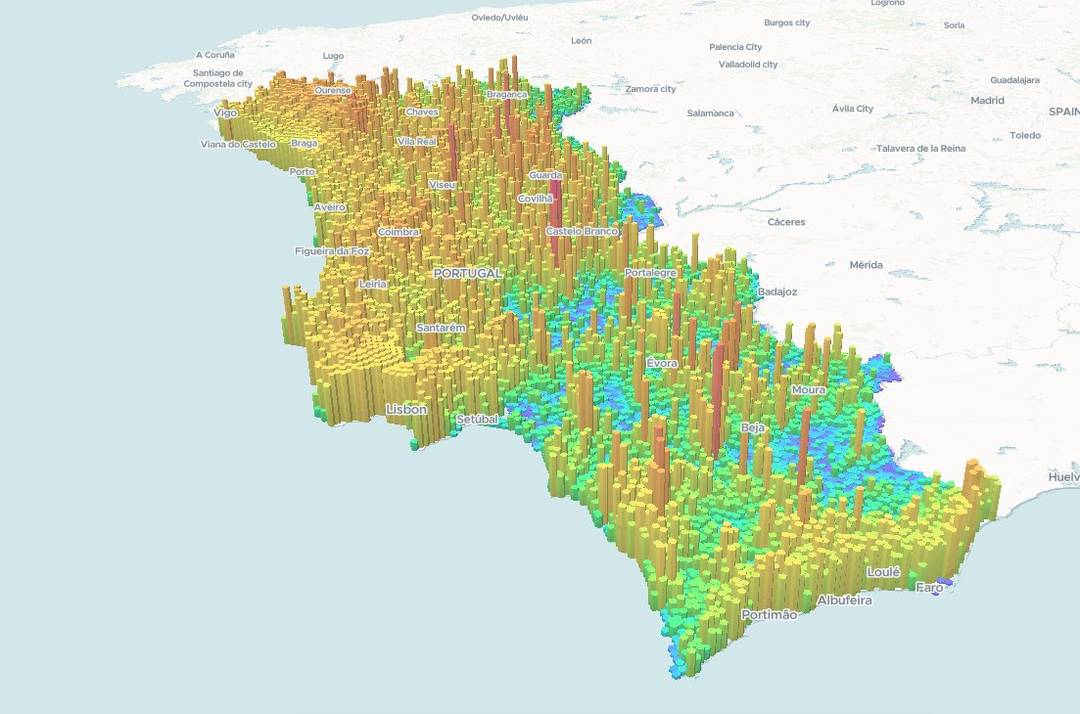
Actual population layer view; site selection also requires supply, access and local validation.
Choose the market, business type and question. The map opens with the Opportunity Engine configured for review.
A composite ranking is a structured screen, not ground truth. The useful work is understanding which signals moved a candidate up or down and where the evidence is weak.
Review gridded population context as one demand signal, with its source year and limitations visible.
Use the selected POI concept to represent existing service or competitive presence where data is available.
Inspect the accessibility assumptions and geography that shape how candidate areas are compared.
Keep warnings, evidence coverage and component scores attached to the ranking instead of hiding them.
POI completeness and taxonomy precision vary by place and category.
Weights encode a decision preference; changing them can change the order.
Commercial feasibility still requires local, legal and financial due diligence.
Build a travel-time catchment to examine reachable demand and supply around that specific origin before comparing it with alternatives.